Living Streets Association | November 2026
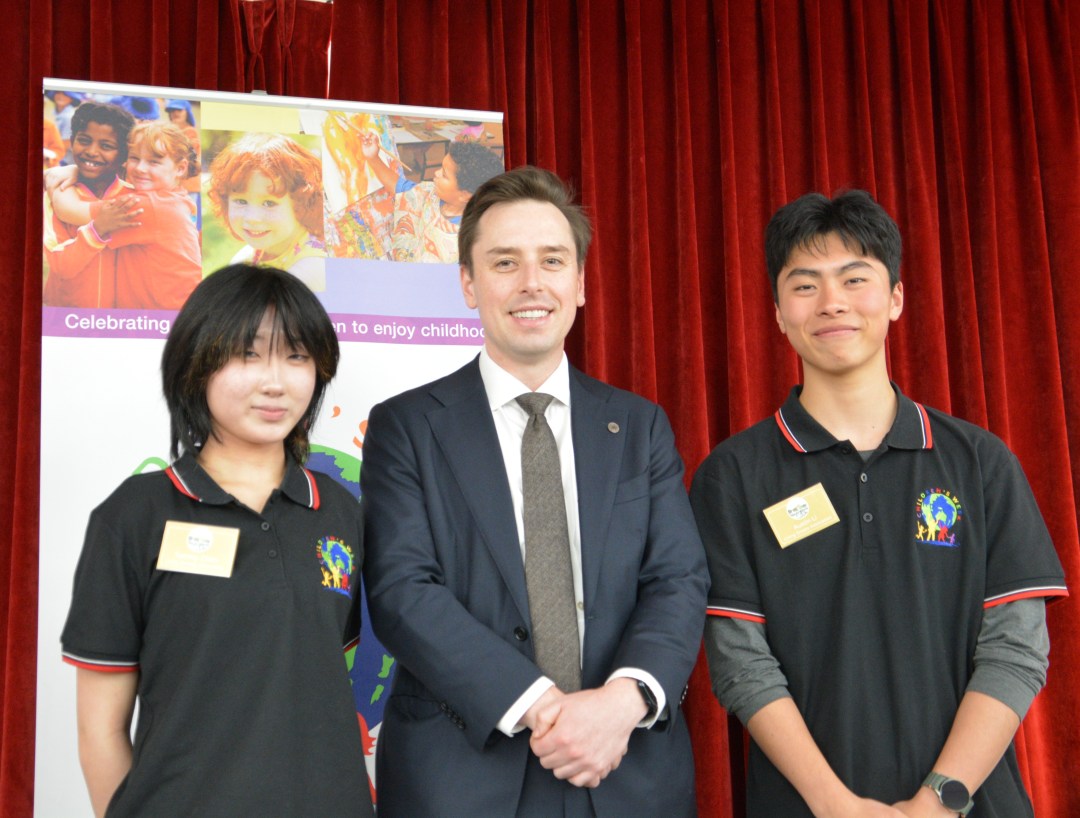
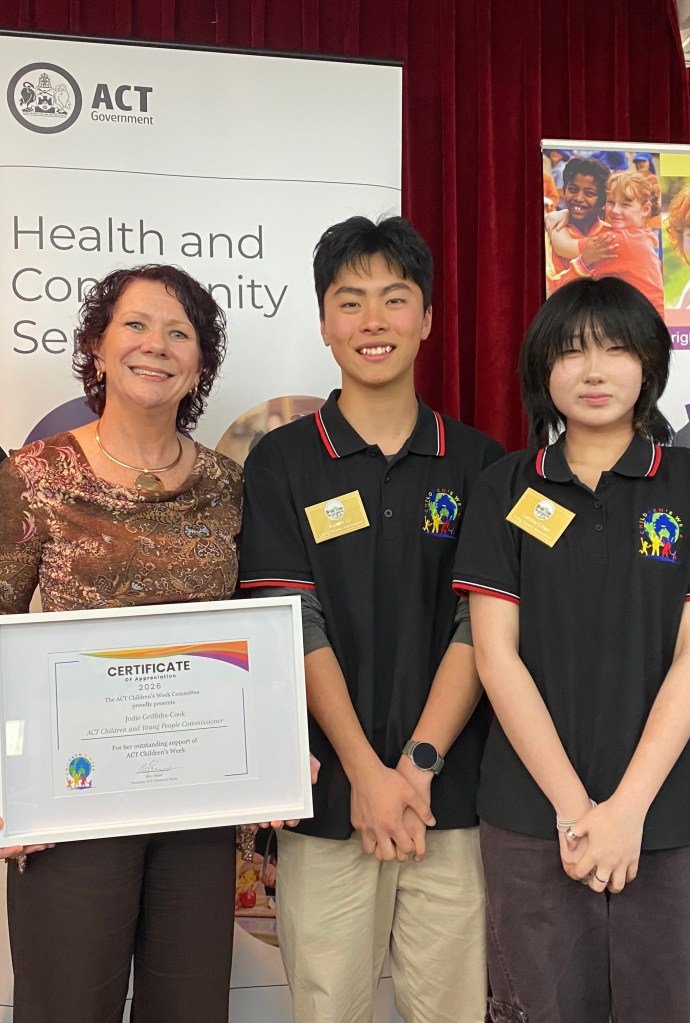
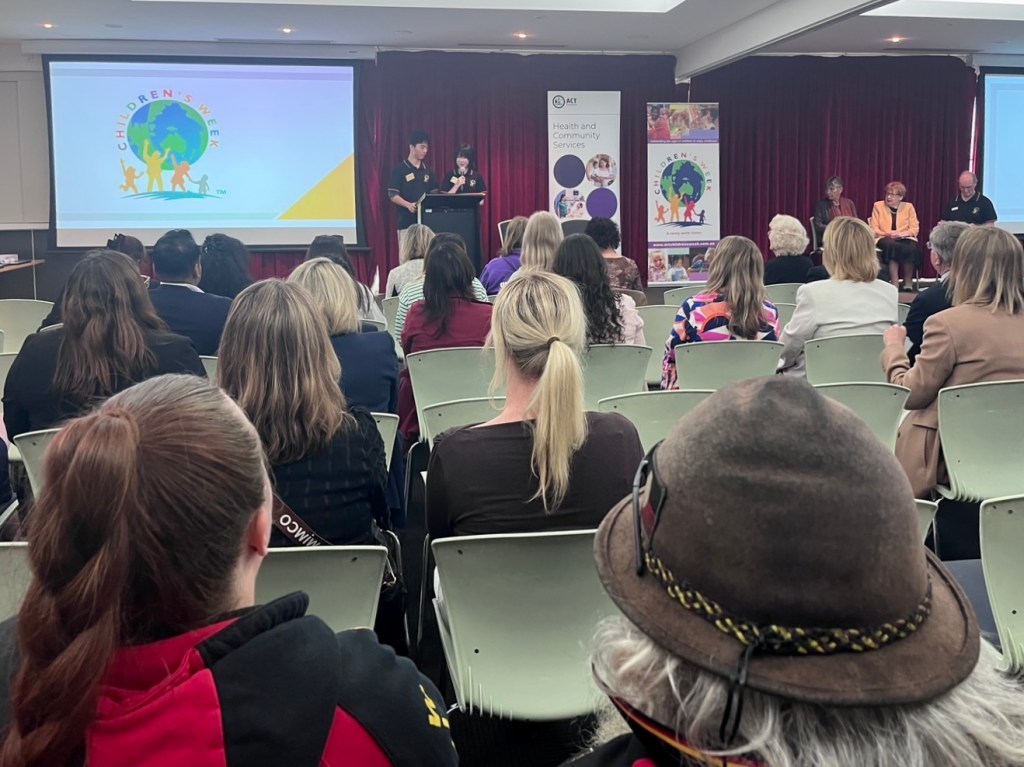
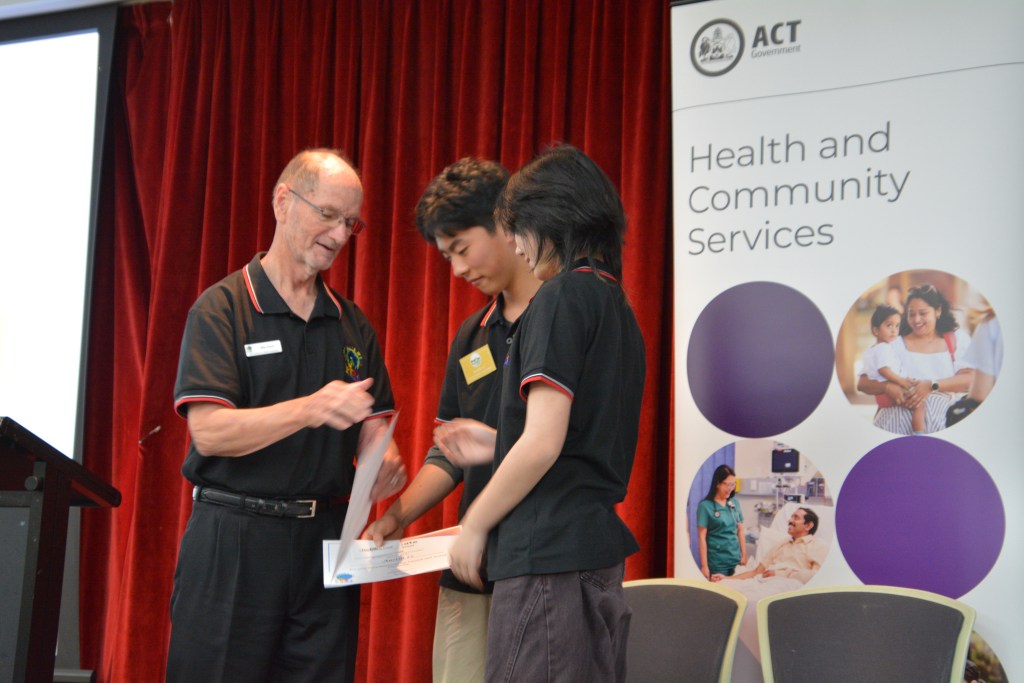
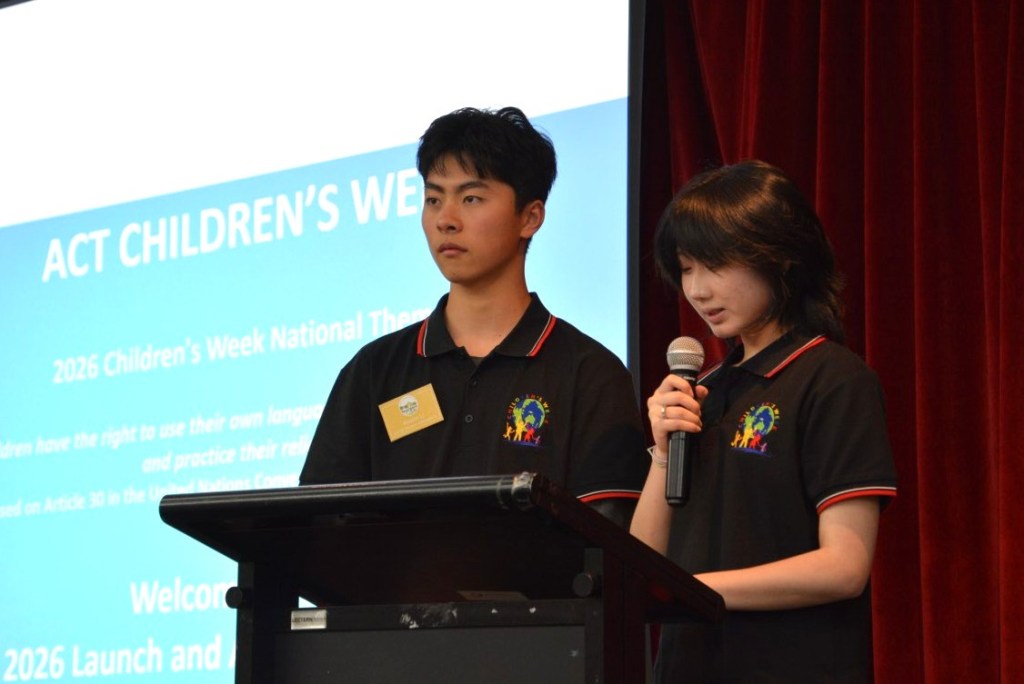
The two Living Streets Association members chosen to be this year’s Children’s Week Youth Ambassadors were Austin Li and Tammy Chen, who delivered an exceptional performance. We once again want to thank the Children’s Week Committee and President Mike Payne for this wonderful opportunity to promote initiatives and celebrate people who are doing good for our communities.
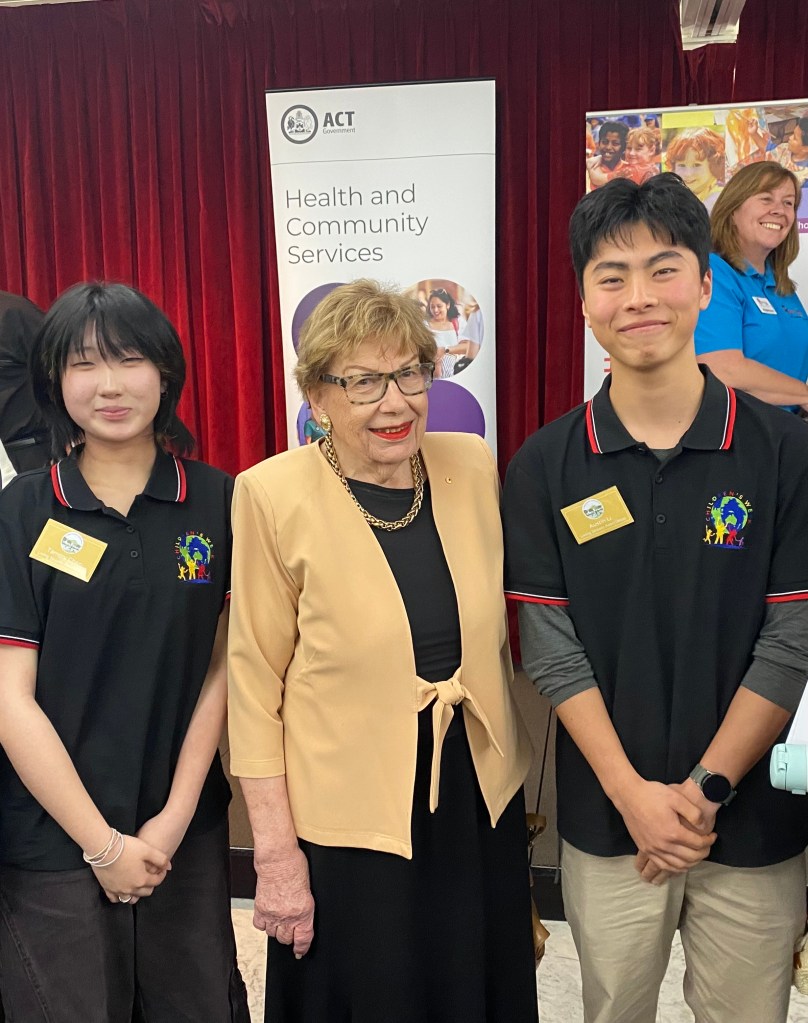
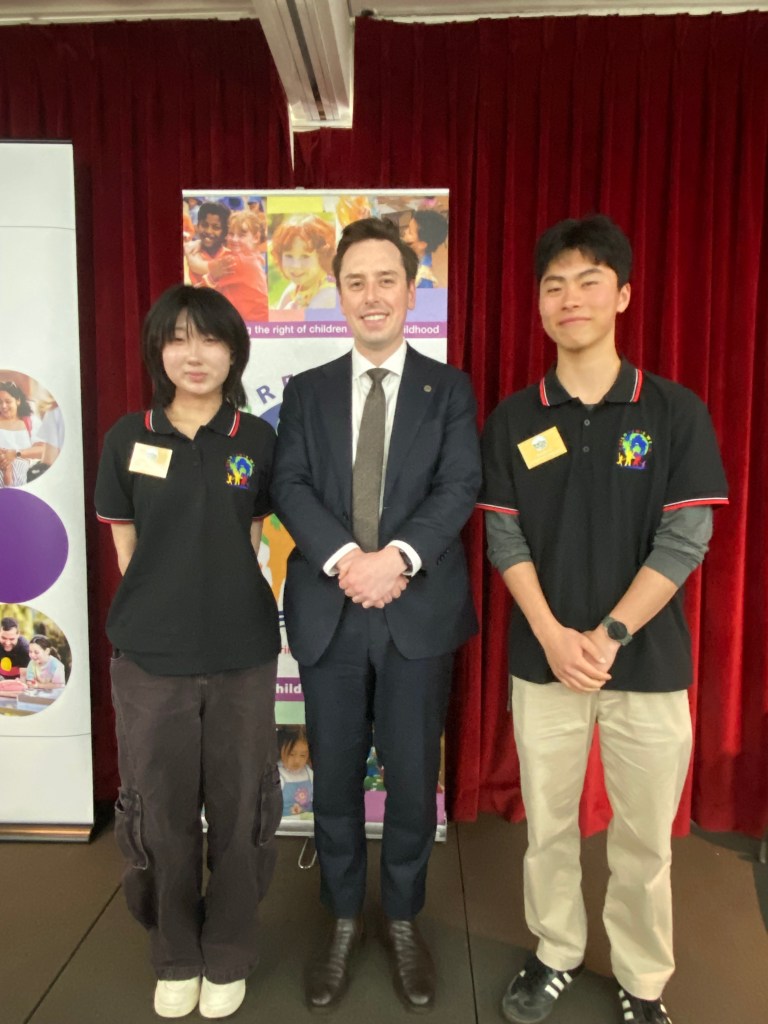
The theme of this year’s Children’s Week was focused on Article 30 of the UN Convention on the Rights of the Child, “Children have the right to use their own language, celebrate their culture and practice their religion.” The ACT Children’s Week Patron, Margaret Reid AO, asks whether many people knew the answer to the question, “Who am I?” She encourages us to start this discovery by asking our four grandparents, learning about their lives, and, by extension, learning about who we are. Aunty Violet Sheridan also emphasises the importance of this year’s theme, sharing that Ngunnawal people have always lived with the understanding that knowing your identity keeps you strong. She says that, “Letting young people learn and share their heritage is essential for their spirit and well-being…. We need to make sure that our kids grow up feeling proud of who they are and where they come from. When we create a safe space where every single child’s heritage is respected and celebrated, we build a much better community.”
We need environments that make us feel safe to embrace and express our cultural identity, and for children, a welcoming street becomes the safe testing ground where they learn that they don’t have to hide who they are to fit into the world. They can explore their identity, speak their home language, share their cultural traditions, and see that they belong. That is really the heart of the work we do at Living Streets: reclaiming the streets and encouraging neighbours to connect so that everyone feels like they belong. We have seen how valuable this is, especially for a multicultural place like Canberra, where many families from different backgrounds struggle to balance assimilating into Australia and maintaining their own cultural identities.
Growing up on a “Living Street”, one that was lively and with lots of neighbourly connection, the children from all backgrounds would play together surrounded by different languages, cultures, and religions. Play naturally transcends language, as children don’t need to speak the same language to set game rules or converse in made-up words. We used to hear families speaking Chinese, Croatian, Afrikaans, Japanese, Swahili, Spanish, Vietnamese, and many other languages on the street, calling out to family members, describing cultural foods, and telling traditional folktales. The cultural sharing happened organically, through swapping traditional snacks and celebrating cultural holidays together.


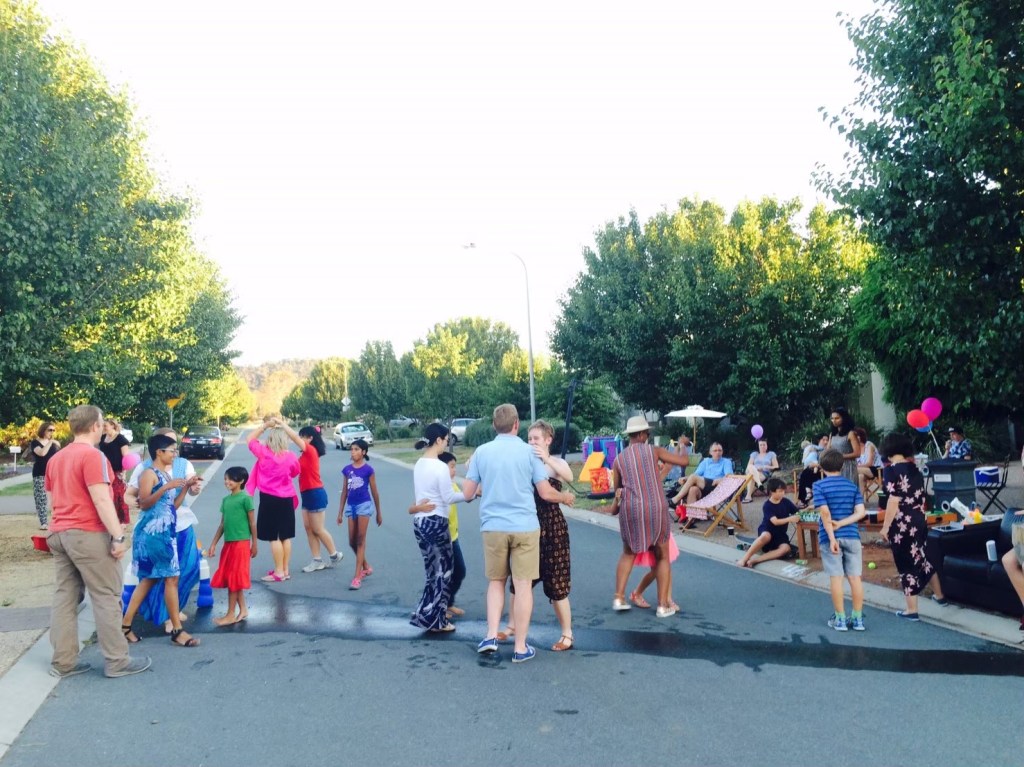
From my personal memories, I remember delivering mooncakes for the Mid-Autumn Festival to neighbours’ doors, and getting Croatian pastries fresh out of the oven in return. During the school holiday programs with volunteer parents leading activities, we tried making Japanese crafts and Vietnamese foods, and learnt to count in Spanish. Some afternoons, we spent our time lying around on the grass talking about our understanding of our respective religions, which, looking back, probably wasn’t very accurate, but we felt like we were having deep conversations. We obviously learnt swear words in each other’s languages that were energetically deployed during shouting fests across the road. At the street concerts held during the Christmas holidays, we heard sweet melodies from folk songs, and even witnessed the most awesome jam session with a violin, didgeridoo, and messy assortment of percussion instruments. All of these experiences made multiculturalism a natural part of the local streetscape.
Recently, on a cold winter afternoon, one of the neighbours hosted a curry potluck, and everyone brought their own rendition. We never realised how many variations of curry there could be, with such diversity in the flavours and accompaniments, such as potatoes made in all different ways, rice in different colours, and breads in all shapes and textures. Even something as simple as sharing curry can bring neighbours together to explore what makes each family unique while discovering how much we have in common.
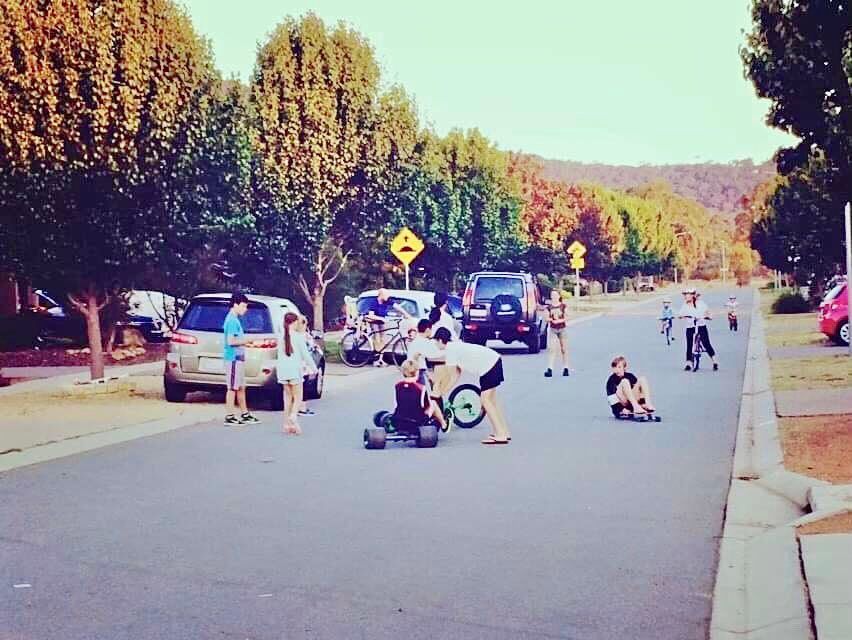
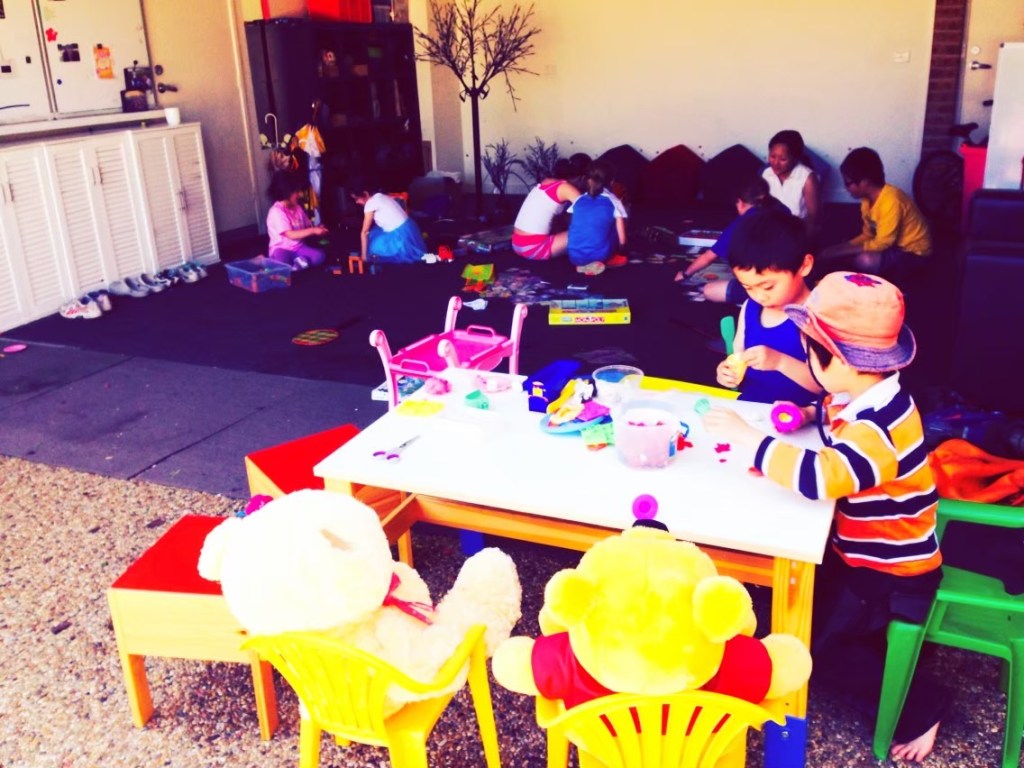
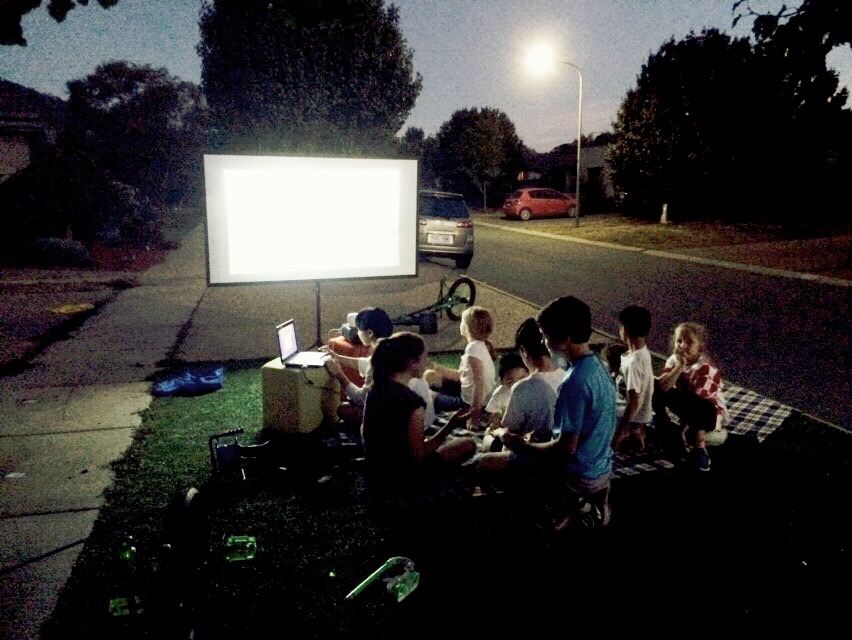
For us children, the sharing of our language, culture, and religion was the norm, and we felt comfortable expressing our own cultural identities. The exposure to multiculturalism on our streets made us better global citizens and taught us to be curious and accepting of our differences. Ensuring that children have the right to their culture, language and religion requires creating a safe space where they know they belong, and we can start from the streets where they live and play. We hope we can inspire more people to start their own living streets using our tried and true strategies, so that more neighbourhoods can bring these ideas to life.

