Living Streets Association | October 2026
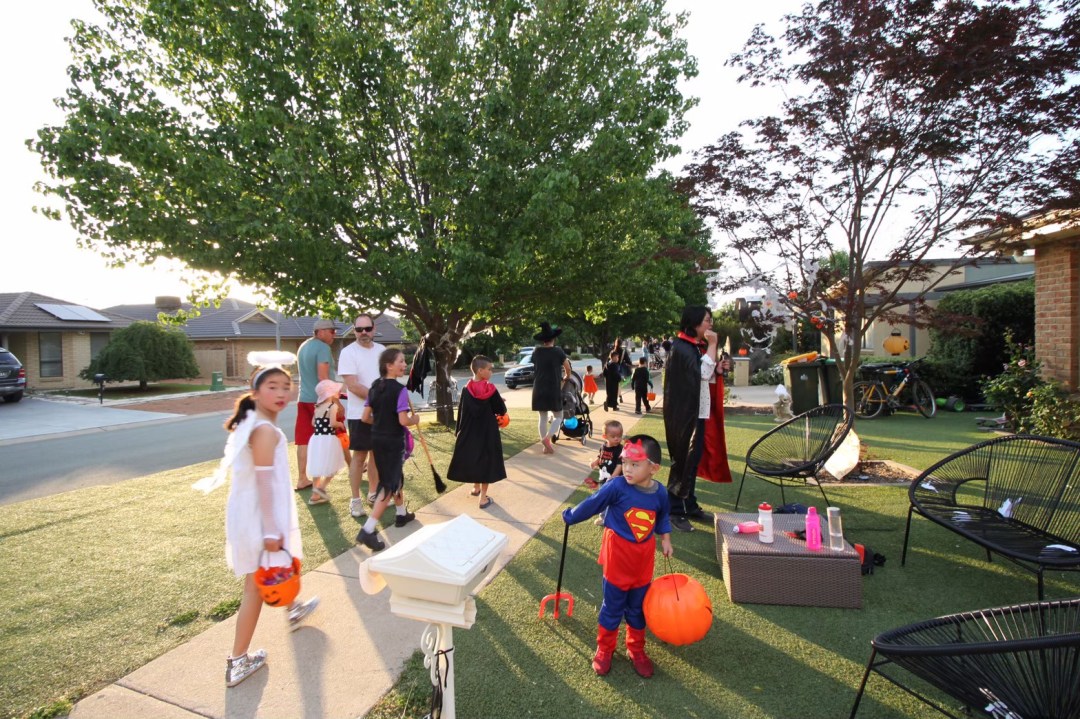
Halloween marks the true beginning of spring here in Canberra, when the roses bloom, and the weather is actually warm. This annual holiday is undoubtedly one of the most memorable festivals for neighbourhood children, as they come out onto the street in droves, dressed in all kinds of crazy costumes to go trick-or-treating from door to door.
Today, Halloween has become a big, family-friendly event across many Canberra suburbs, with some spooky decorators even featured in well-known American journals. However, it wasn’t always like this.
There are records of children trick-or-treating in Canberra suburbs with more American expat families in the early 1990s, but it faced the stigma of being “an American thing”. Even throughout the 2000s, community forums posted about it being unwelcome in Canberra suburbs.
However, some neighbours saw the benefit of everyone coming together onto the road like a big street party, forging friendly neighbourly relationships. To encourage more participation in the event while respecting people’s choices to abstain from getting unsolicited door knocking, groups of parents across different pockets of Watson simultaneously started a letterbox drop between 2009 and 2011.
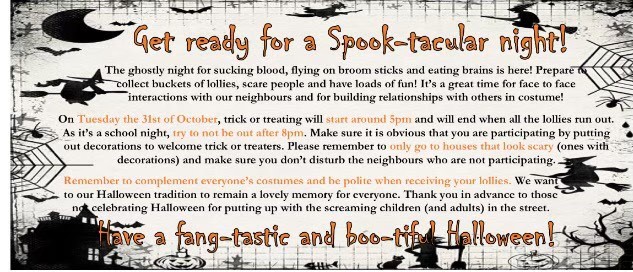
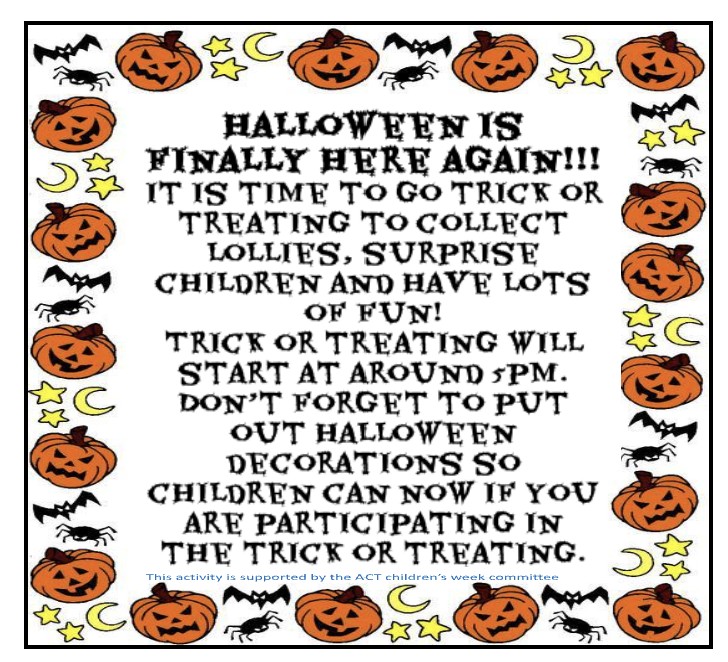
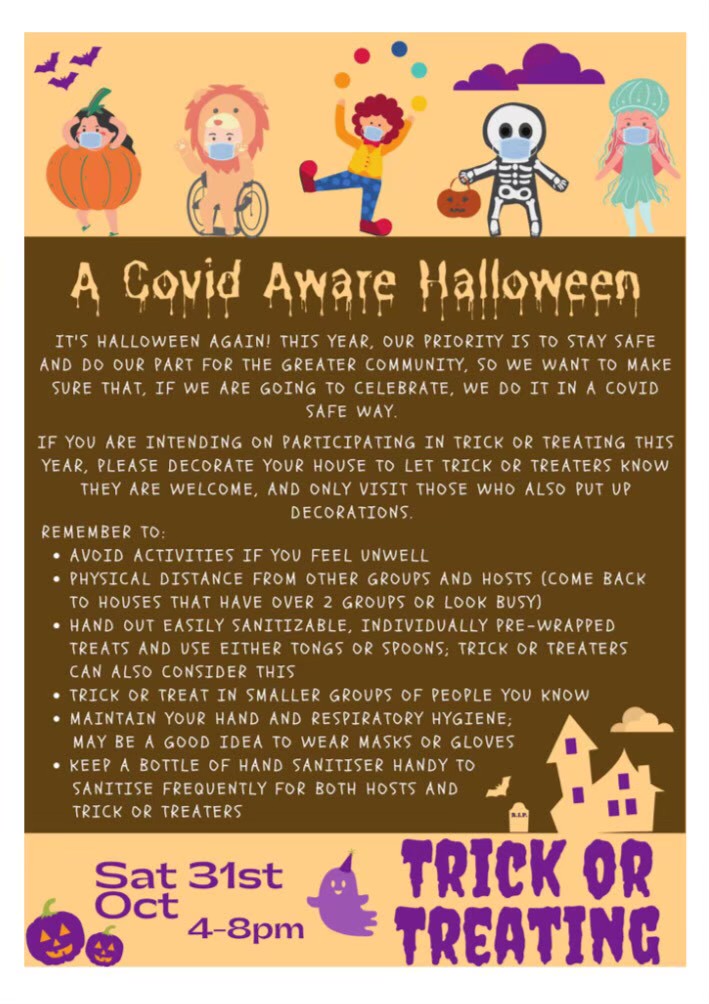
One family of originators in our area was a pair of mothers from the US who printed out invitations on small slips of paper to leave in mailboxes. If a household wanted to participate, they could decorate their house with Halloween decorations, indicating that they are a house trick-or-treaters can visit. Another family printed out pumpkins on orange paper and encouraged households to stick the pumpkin somewhere visible on the house to signal participation. We at Living Streets Association were inspired by this strategy and received funding from the ACT Children’s Week Association to print the invitations on a larger scale for our area.
This grassroots opt-in-style event worked wonderfully, and more and more haunted houses were spotted in Watson year after year. The number of spooky characters also gradually grew, to the point where the entire street filled with people walking door to door at around 5 pm on Halloween.
People put a lot of effort into their decorations; one house created an immersive Dracula’s castle experience, another rose from the dead as a mummy, and many families put effort into scaring their trick-or-treaters on their driveways, often with screams and laughter echoing into the street. Big group costumes were also common, and people of all ages loved getting in on the fun. Some memorable costumes were an entire extended family dressed as various superheroes posing in the middle of the road for photos, and many DIY costumes that were witty and inventive.
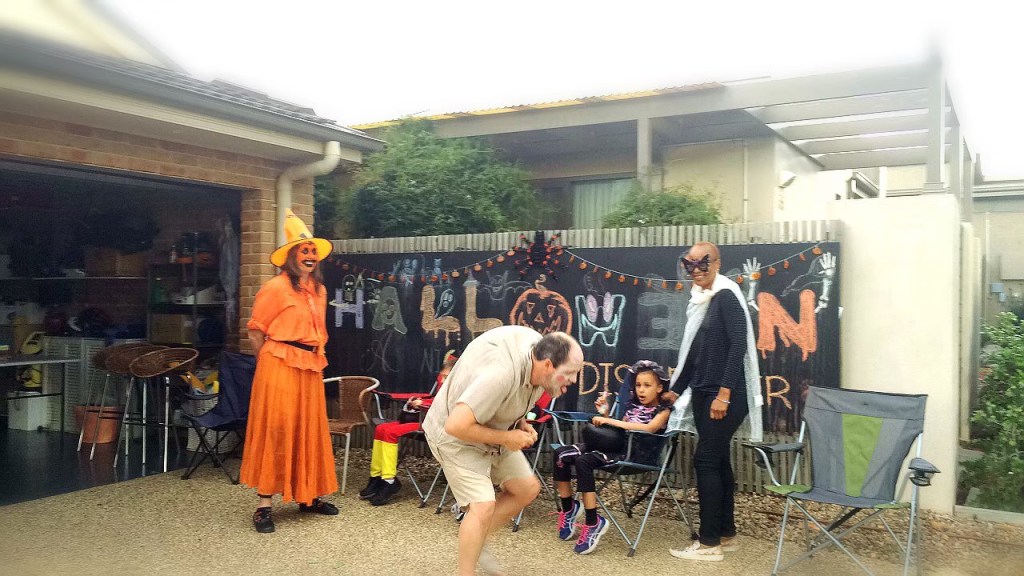
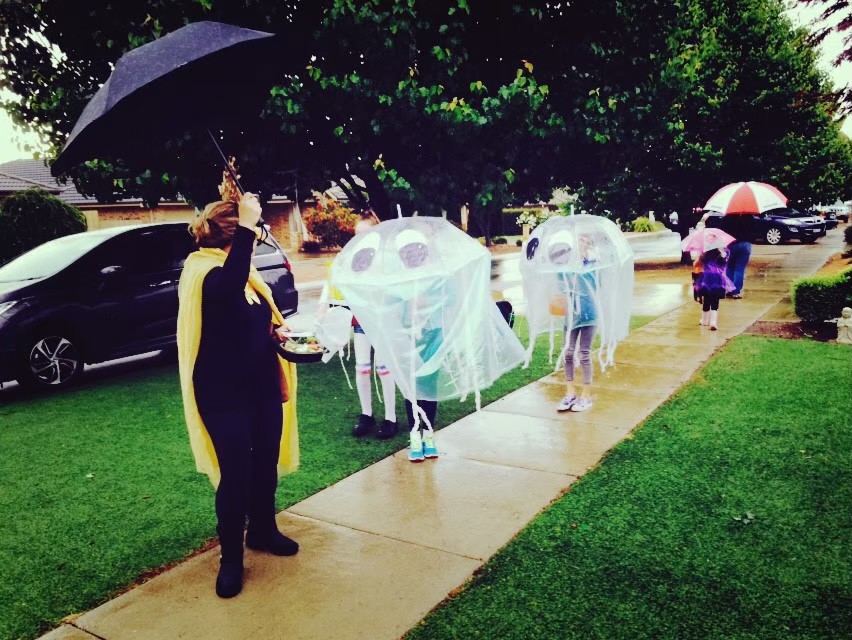
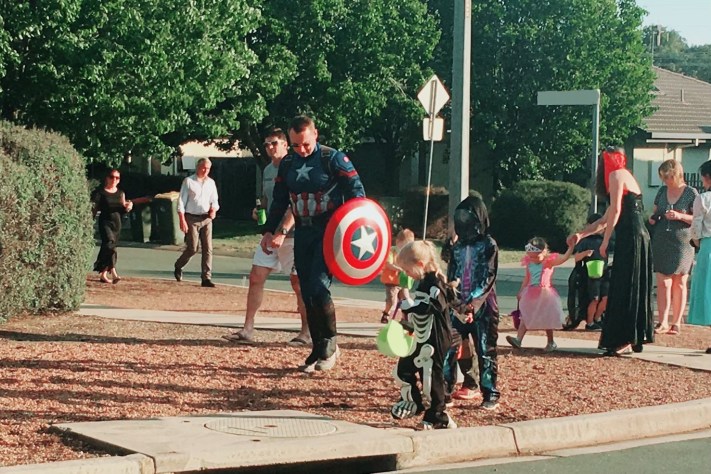
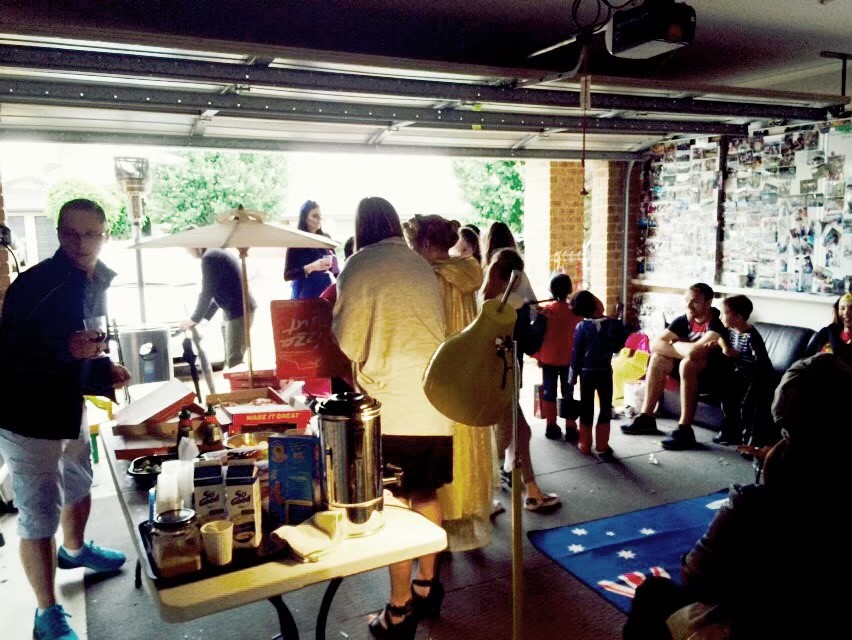
Halloween became the perfect opportunity to have street parties with neighbours, and front driveways turned into impromptu BBQs with everyone sharing food and drinks on driveways admiring the costumes of trick or treaters.
From 2012 onwards, the holiday became so popular in Watson that people started coming from other suburbs, driving out to participate in the trick or treating. Word spread of the idea that if a house was decorated, it could be trick or treated, and if it wasn’t, that house would be respectfully left alone. Leaving flyers in mailboxes was also simple enough that it was easily replicable in other communities, so gradually other suburbs had a growing trick or treater population too.
What began as a slip of paper in a few Watson letterboxes ultimately turned into a grounded local activity where neighbours linger on driveways, strangers knock on your door to become friends, and suburban streets come alive. It proves how easily a good neighbourhood idea can catch on when you make it simple for people to join in.